People talk about “good sleep” the same way they talk about trust funds or Mediterranean vacations: something other people have.
And this is not just your patients, your coworkers, your teenagers, or your partner who naps like it is their religion. This is everyone. The entire species. If aliens landed tomorrow and asked, “Take me to your well-rested,” all we could offer is a graveyard.
So yes. You are not imagining it. The world is tired. Literally. Metaphorically. Clinically. Cosmically.
And here is exactly how we got here.
Humans Have Been Complaining About Sleeplessness Forever
Ancient Egyptians documented insomnia on papyrus3. Mesopotamians blamed demons4. Greeks prescribed warm baths and wine5. Medieval Europeans blamed witches and cheese6.
By the 1600s, physicians described chronic sleeplessness as “watching,” meaning you were stuck awake with your own thoughts7.
By the 1800s, electric lighting stretched the night into bonus daytime8.
By the 1900s, sleep labs emerged, and researchers realized people without sleep behave like sentient raccoons9.
- Ancient medical texts mentioning sleep: about 50 percent
- Ancient cures still used today: 1 warm bath
“My cooking is so bad my kids thought insomnia was something you got from eating dinner.” Phyllis Diller (legendary American stand-up comedian known for her self-deprecating humor)

Do People Dream, Or Is That Broken Too
Everyone dreams. The brain does it automatically10.
People who say they “never dream” simply do not remember them. Dream memories get made during partial brain shutdown, so they vanish like Snapchat messages11.
Why dream recall fails:
- Deep sleep wipes memory
- Stress shrinks recall
- Teens cannot remember anything ever12
- Percentage of people who dream: 100
- Percentage who claim they do not: 6 to 10
- Percentage incorrect: 100
“Dreaming permits each and every one of us to be quietly and safely insane every night.” William Dement (founding father of modern sleep medicine, Stanford researcher)

Does Insomnia Show Up With Mental Illness
Absolutely13. Clinically, I’d say about 90% of my patients have insomnia. If someone is able to sleep well, I’m usually shocked.
- Anxiety keeps brains pacing
- Depression breaks circadian rhythm
- ADHD forgets to power down
- PTSD keeps alarms screaming even in REM
- Percentage of anxious patients with insomnia: 70 to 90 percent
- Psychiatric disorders that worsen when sleep collapses: all of them
“My mind is like a browser with seventeen tabs open and music playing from nowhere.” Unknown (viral internet quote embraced by comedians and exhausted adults everywhere)

Do Psychiatric Medications Help Or Ruin Sleep
Yes. To both. That’s why I try to prescribe medicines based upon a patient’s actual needs, that also include whether or not they have a kind of insomnia.
Meds that help:
- SSRIs calm the brain over time
- Mirtazapine ends consciousness
- Trazodone is America’s unofficial sleep vitamin
- Low dose quetiapine tucks people in aggressively14
Meds that hurt:
- Some SSRIs and SNRIs delay sleep
- Bupropion wakes the brain up like a foghorn
- Stimulants fix ADHD but fight bedtime
- Certain antipsychotics trigger leg rebellion15
Psych meds that impact sleep: about 80 percent
“Taking Prozac can change your dreams. Suddenly you are dreaming in HD.” John Mulaney (American comedian known for his sharp, clean, observational humor)
How Many People Actually Have Insomnia
Thirty to fifty percent of adults have insomnia symptoms16.
Another twenty to thirty percent have them sometimes.
Ten percent sleep consistently well and should be studied for superpowers.
- Adults reporting poor sleep: around 35 percent
- People blaming their mattress instead of their life: also 35 percent
“Sleep is the best meditation.” Dalai Lama (Tenzin Gyatso, spiritual leader of Tibetan Buddhism)
Did Electricity Break Our Sleep
Yes. Humans slept in two segments for thousands of years17. First sleep. Middle wake period. Second sleep. Then came electric lighting, and humans decided nighttime should last forever18.
- Years humans slept in two chunks: thousands
- Years humans forced consolidated sleep: about 150
- Approval rating from evolution: zero percent
“There are two kinds of people in the world. Morning people. And people who want to shoot morning people.” Unknown (popular humor line shared by multiple comedians)
Why Everyone Has Insomnia Now
Because our prehistoric brains were designed for firelight and quiet, not glowing rectangles and global anxiety.
- People who check their phone before bed: 90 percent
- People who check at 3 a.m.: 60 percent
- People who regret it: 100 percent
“I sleep with my phone next to me like it is my tiny, glowing boyfriend.” Ali Wong (American comedian known for sharp, raunchy, brutally honest humor)
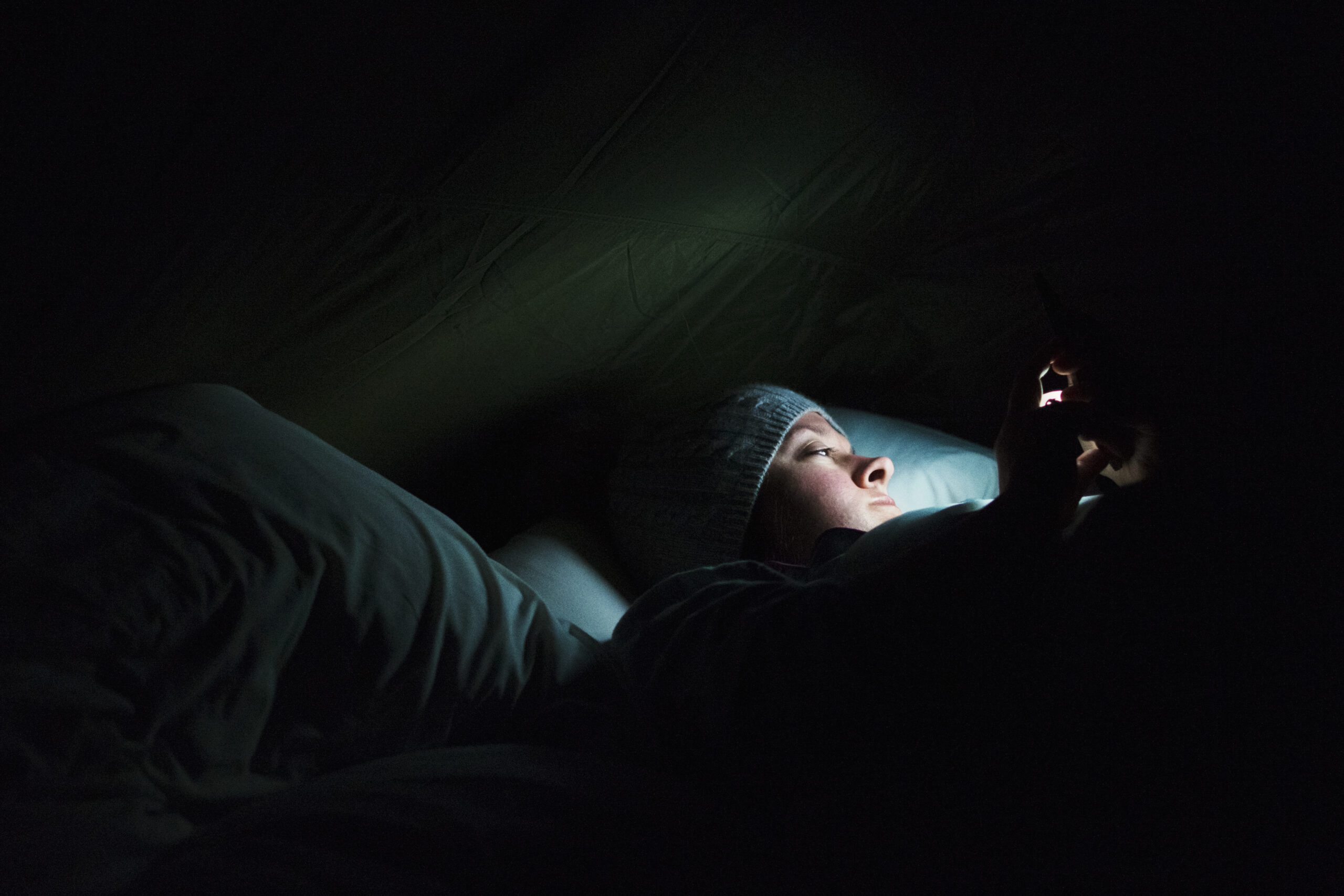
So Where Does “Sleep Hygiene” Fit In
Sleep hygiene is not a lavender ritual. It is the basic act of removing obstacles so your brain can sleep like it has always known how to do.
Why it matters
- Darkness triggers melatonin19
- Routine anchors circadian rhythm
- The nervous system needs a cooldown
- Phones wreck everything
- Teens need structure
- Bodies need predictable cues
Percentage of sleep problems worsened by chaotic routines: high
“If you are tired, learn to rest, not to quit.” Banksy (anonymous street artist known internationally for political and social commentary)
The Greatest Hits Of Sleep Problems
- Insomnia
The diva. The Beyoncé of sleep disorders.
Adults affected: up to 50 percent
“I love sleep. It is like death without responsibility.” Fran Lebowitz (American author and cultural critic known for deadpan humor)
Clinical takeaway: This is not about willpower. Your brain has decided nighttime is TED Talk hour. - Sleep Deprivation
People brag about it like it is a CrossFit achievement.
Average adult sleep: about 6 hours
Recommendation: 7 to 9 hours
“Sleep deprivation is the most common form of torture in my adult life.” Jim Gaffigan (American stand-up comedian known for “dad humor” and food jokes)
Clinical takeaway: You are not built different. You are just tired and bad at noticing it. - Sleep Apnea
Snoring that rattles windows. Gasping. Choking. Partners panicking.
Prevalence: up to 25 percent
Undiagnosed cases: 80 percent20
“My partner snores so loud I need a crash helmet.” Wanda Sykes (American comedian, writer, and actress known for sharp observational humor)
Clinical takeaway: Your brain keeps waking up all night because breathing is apparently optional now. - Nightmares And REM Drama
Your brain’s nightly performance art.
Adults with nightmares: 50 percent
“My dreams are weird, confusing, and badly cast.” Demetri Martin (comedian known for dry humor and one-liners)
Clinical takeaway: This is what happens when stress gets a budget and creative control. - Sleep Paralysis
Brain awake. Body frozen. Terror included.
People who experience it: 8 percent
Clinical takeaway: Your brain hit “wake up” but forgot to tell the rest of you. - Parasomnias
Sleep eating. Sleep texting. Sleep arguing. Humans glitch at night.
Sleepwalking at least once: 4 percent21
“I once ate an entire pie in my sleep.” Mike Birbiglia (comedian, actor, director, also famously has a parasomnia disorder)
Clinical takeaway: Consciousness is offline, but muscle memory is still doing side quests. - Restless Legs
Your legs want to start over in another state.
Affected: 7 to 10 percent
Clinical takeaway: This is not anxiety. Your nervous system is just deeply annoying. - Circadian Rhythm Disorders
Internal clock versus capitalism.
Shift worker suffering: bottomless22
Clinical takeaway: Your biology is running on one schedule and your job is on another, and biology is losing. - Narcolepsy
Real. Neurological. Not slapstick.
Prevalence: 0.05 percent23
Clinical takeaway: This is a brain chemistry problem, not a personality flaw or a punchline. - Blue Light Insomnia
Screens screaming “it is daytime” into your eyeballs at midnight.
Melatonin suppression: up to 50 percent24
Clinical takeaway: Your phone is gaslighting your pineal gland. - The Great Sleep Debate
Everyone thinks they are the exception. They are not.
True genetic short sleepers: under 1 percent
Clinical takeaway: Statistically speaking, you are not in that 1 percent. Sorry. - Teen Sleep Rebellion
Biology says sleep late. School says wake at dawn.
Teen melatonin delay: 2 hours25
“Teens fight to the death to stay awake and then sleep until noon.” George Carlin (legendary American comedian known for social commentary)
Clinical takeaway: This is biology fighting policy, and biology is correct. - Stress Insomnia
Nighttime is panic hour for the brain.
Useful midnight thoughts: zero
Clinical takeaway: If a thought feels urgent at 2 a.m., it is lying to you. - Middle of the Night Awakenings
The 3 a.m. existential reboot.
Adults experiencing this: 40 percent
Clinical takeaway: Congratulations, your stress hormones have scheduled a meeting. - Early Morning Awakening
A depression classic.
Typical time: 4 a.m.
Clinical takeaway: When your brain wakes you up early to feel bad, that is not motivation. - Hypnic Jerks
Your body panics while falling asleep.
Prevalence: 70 percent
Clinical takeaway: Your nervous system briefly thought you were dying. It was wrong. - Sleep Inertia
Morning fog. Like a computer updating.
Time to full alertness: 30 to 90 minutes
Clinical takeaway: You are not lazy. Your frontal lobes are still booting up.
But What About Teenagers Sleeping All The Time
Teens are not lazy. Their brains are under construction. Sleep need increases. Internal clocks shift later. Neurological systems are being rewired in real time.
- Teen sleep need: 9 to 10 hours
- Teen actual sleep: 6 to 7 hours
Clinical takeaway: We built a school system that fights adolescent biology and then act surprised when everyone is miserable.
How To Tell If Your Teen Is Sleeping Because Their Brain Is Rewiring Itself Or Avoiding Life
Signs it is biology
- Cannot fall asleep early
- Mood improves with sleep
- Grades stable
- Morning light helps
- Routines help
Signs it is avoidance
- Sudian increase in sleep
- Napping to escape
- Falling grades
- Withdrawal
- Doom scrolling
- Waking tired no matter what
The test
If sleep restores them, it is biology.
If sleep numbs them, it is avoidance.
If neither explains it, it is adolescence.
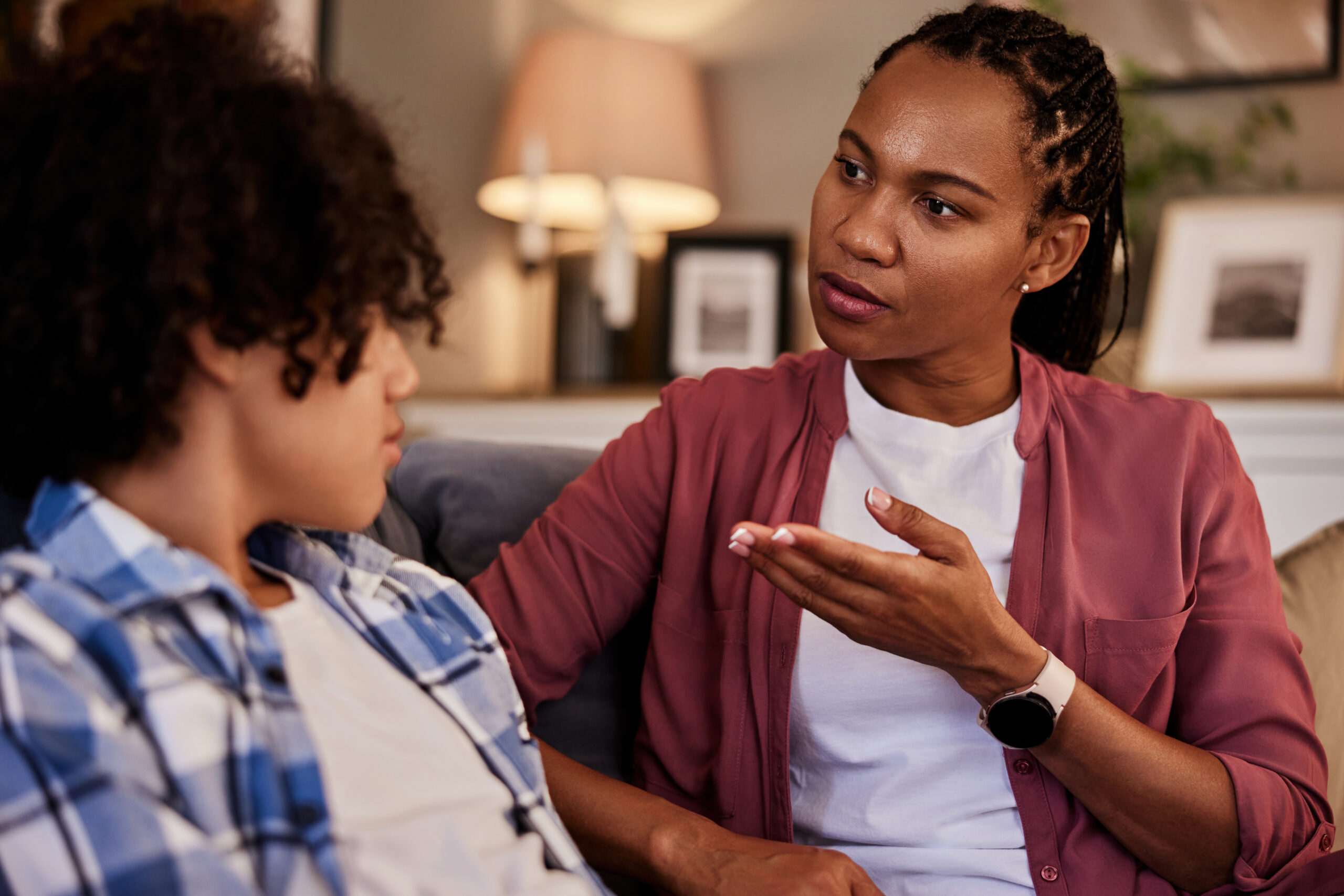
How Parents Can Talk To Their Teen About Sleep Without Creating A Civil War
Most parents are terrified to bring up sleep. They fear conflict. So they avoid the conversation and then complain privately, which helps no one.
Here is a script that actually works.
Parent Script
“Hey, I want to check in about your sleep. I am not mad. I am not here to lecture. I just want to understand what you need. Your brain is going through a lot right now and sleep is the foundation for everything. Can we talk about what helps and what makes it harder?”26
Teen Response You Pretend Not To React To
“Huh? What? Why?”
Parent Follow Up
“I am not saying you are lazy. I am not accusing you. I am trying to help us look at the big picture. School starts too early. Biology is annoying. Stress is real. I am on your team.”
Parent Closer
“Let’s make a plan that works for you. Not a punishment. A strategy. You deserve to feel better, and I want to help.”
This avoids the three parental sleep sins:
- Accusing
- Threatening
- Talking to teens before they have eaten
And Finally
If you made it this far, your attention span is stronger than most Wi-Fi signals. I would genuinely love to know what people think about all of this, especially since sleep (or the lack of it) is basically the universal human experience at this point. Please feel free to leave a comment, tell me your own sleep saga, or visit my website at www.boulderpsychiatryassociates.com. And if you live in Boulder, stop by. I can’t promise better sleep, but I can offer baked treats that will not put you to sleep yet are definitely worth the detour.
REFERENCES
- National Sleep Foundation. (2020). Sleep in America Poll. NSF Publications. ↩
- Dekker, T. (1609). The Guls Horne-Booke. London. ↩
- Nunn, J. (1996). Ancient Egyptian Medicine. University of Oklahoma Press. ↩
- Scurlock, J., & Andersen, B. (2005). Diagnoses in Assyrian and Babylonian Medicine. Univ. of Illinois Press. ↩
- Aristotle. (350 BCE). On Sleep and Sleeplessness. ↩
- Schmitt, J. C. (1998). Ghosts in the Middle Ages. University of Chicago Press. ↩
- Porter, R. (2001). The Greatest Benefit to Mankind. W.W. Norton. ↩
- Ekirch, A. R. (2005). At Day’s Close: Night in Times Past. Norton. ↩
- Rechtschaffen, A., & Kales, A. (1968). Manual of Standardized Sleep Scoring. UCLA. ↩
- Hobson, J. A. (2002). Dreaming: An Introduction to the Science of Sleep. Oxford. ↩
- Stickgold, R. (2005). Sleep-dependent memory consolidation. Nature, 437, 1272–1278. ↩
- Carskadon, M. A. (2011). Sleep in adolescents. Clinics in Chest Medicine, 32(3), 495–506. ↩
- Harvey, A. G. (2008). Insomnia and psychiatric disorders. Oxford. ↩
- Winokur, A. (2001). Effects of mirtazapine and trazodone on sleep. J Clin Psychiatry, 62(Suppl 3), 22–27. ↩
- Peterson, K. (2018). Antipsychotics and sleep disturbance. Sleep Med Rev, 40, 1–12. ↩
- Morin, C. M. (2013). Epidemiology of insomnia. Sleep Med Clin, 8(3), 281–297. ↩
- Ekirch, A. R. (2005). At Day’s Close. Norton. ↩
- Blume, C. (2019). Artificial light and circadian disruption. Curr Biol, 29, R680–R689. ↩
- Gooley, J. (2011). Room light suppresses melatonin. J Clin Endocrinol, 96, E463–E472. ↩
- Young, T. (1993). Sleep-disordered breathing. NEJM, 328, 1230–1235. ↩
- Ohayon, M. (2000). Parasomnia prevalence. Sleep Medicine, 1(2), 149–159. ↩
- Rajaratnam, S. (2011). Shift work and health. Lancet, 379, 1785–1795. ↩
- Longstreth, W. (2007). Epidemiology of narcolepsy. Sleep, 30(1), 13–26. ↩
- Chang, A. (2015). Blue light suppresses melatonin. PNAS, 112, 1232–1237. ↩
- Carskadon, M. A. (1999). Adolescent sleep patterns. Sleep Research Society. ↩
- American Academy of Pediatrics. (2020). Parent-Teen Communication Guidelines. ↩