
Prologue: When People Got Bored of Reality
Movies were born in the late 1800s when photography got tired of sitting still and decided to move. In 1895, the Lumière brothers projected short films like Workers Leaving the Factory and Arrival of a Train at La Ciotat Station, prompting early audiences to panic because they thought the train on screen might hit them1. It didn’t, but Hollywood still learned that fear sells tickets.
America joined the fun in 1896, when Thomas Edison’s team began showing short “actualities,” basically silent TikToks for people in top hats2. By 1905, the first Nickelodeons popped up: five-cent movie houses where people could watch ten-minute films about anything from acrobats to cowboys. Within five years, Americans were buying 26 million tickets a week, roughly one for every four people in the country3.
Why did movies take off? Because humans crave three things:
- Escaping real life (still the top reason).
- Watching other people make bad choices (also still true).
- The illusion that chaos ends in two hours with a soundtrack.
Italian director Federico Fellini (creator of La Dolce Vita and 8½) once said, “Cinema is a dream dreamed by many people at the same time”4. The Lumières just handed the world its first collective nap.
Then came sound in 1927 (The Jazz Singer), color in 1939 (The Wizard of Oz), and endless sequels ever since. Cinema became our collective dream machine, turning daily stress into digestible spectacle. And that’s where Hollywood found its true calling: showing us the world we already live in, but with better lighting, perfect timing, and zero coping skills.
1. The Mirror Effect: Art Imitating Life (and Losing the Receipts)
Hollywood doesn’t just reflect the world. It reenacts it with better hair and worse science. After 9/11, we got The Hurt Locker and Zero Dark Thirty, letting audiences process collective trauma while pretending they were just watching explosions5. The 2008 crash gave us The Big Short, where attractive people explained subprime mortgages like bedtime stories for the financially doomed6.
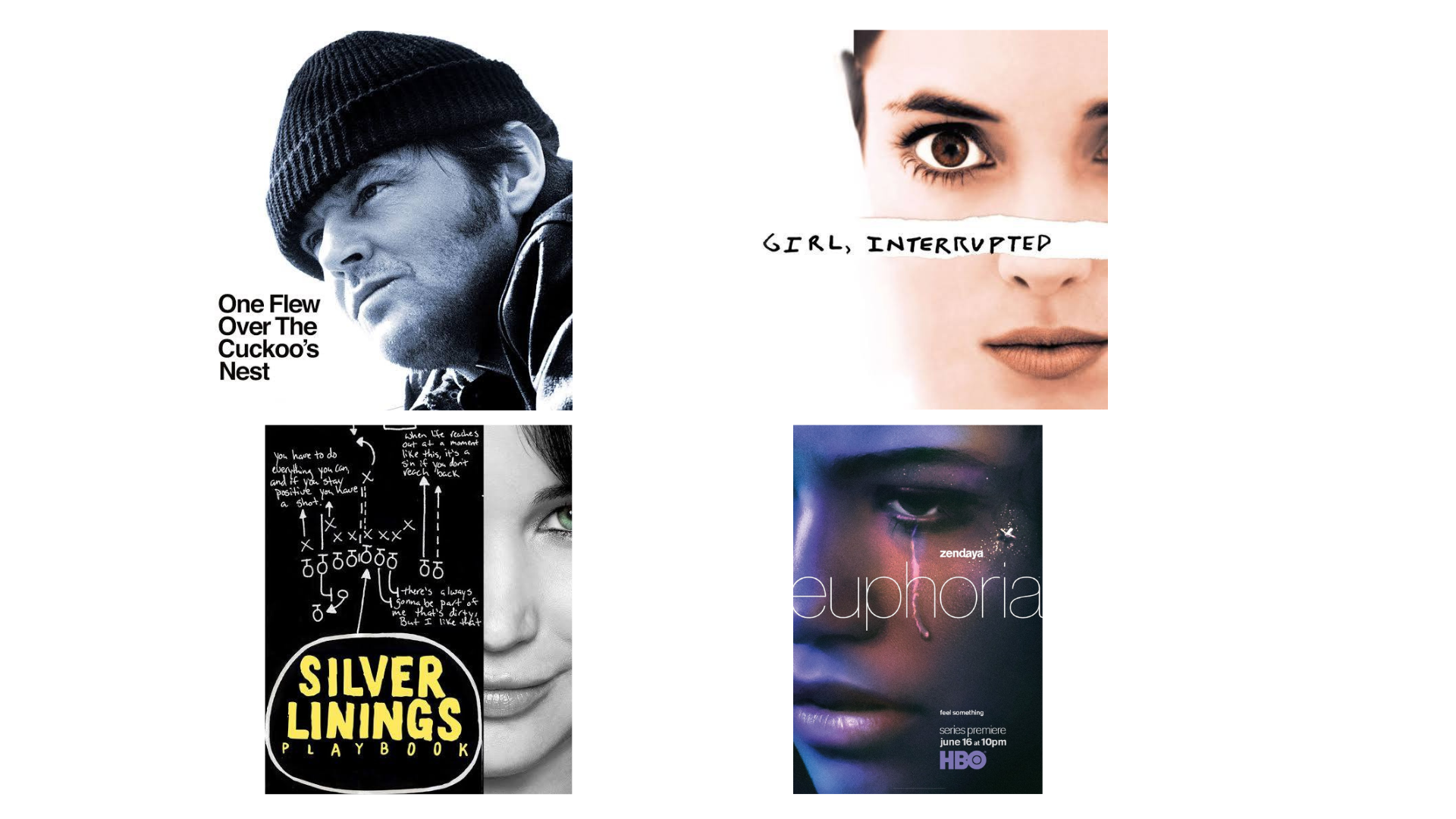
Mental health gets the same treatment. Every decade picks a “mood disorder of the moment.” The 1970s had One Flew Over the Cuckoo’s Nest (institutional angst). The 1990s loved Girl, Interrupted (borderline but make it poetic). The 2010s brought Silver Linings Playbook (bipolar meets ballroom dancing). By the 2020s, Euphoria made trauma look like a perfume ad7.
Legendary actor Meryl Streep, known for Sophie’s Choice and The Devil Wears Prada, once said, “Acting is not about being someone different. It’s finding the similarity in what is apparently different, then finding myself in there”8. Which explains why every generation sees its collective meltdown projected on screen.
- U.S. war films released after 9/11: 110 +.
- Percentage of Oscar-winning roles portraying mental illness: ≈ 25 %.
- Global box-office earnings for disaster movies in 2020: $ 2.1 billion.
- TikToks tagged “OCD” that involve color-coding snacks: millions9.
Comedian George Carlin, the philosopher-king of cynicism, once said, “It’s called the American Dream because you have to be asleep to believe it”10. The movie theater is just where we all fall asleep together.
2. The Forecast Effect: Life Imitating Art (and Googling the Diagnosis Later)
Sometimes movies don’t mirror reality. They leak into it. The China Syndrome premiered in 1979; twelve days later, the Three Mile Island nuclear accident hit the news11. Joker blurred the line between villain and patient so well that actual therapists had to clarify, “Murder isn’t a coping strategy”12.
Hollywood also loves being prophetic. Tech-dystopia films (Her, Ex Machina, The Social Dilemma) warned us about AI loneliness, and then we built AI anyway just to see if they were right. Psychiatric thrillers do the same thing, predicting which disorder will trend next on TikTok13.
And yes, about those 1,800 films “approved” by the Pentagon. That means filmmakers literally submitted scripts for review in exchange for access to military gear, bases, or aircraft14. The Department of Defense keeps an entertainment-liaison office whose job is to “help” Hollywood get details right, meaning delete the parts that make the military look bad. Every time you watch a jet roar across the screen in perfect sunset lighting, somewhere a government official probably approved that lens flare.
Visionary filmmaker Stanley Kubrick (Dr. Strangelove, 2001: A Space Odyssey) once warned, “The great nations have always acted like gangsters, and the small nations like prostitutes”15.
He wasn’t joking. The collaboration between Hollywood and the Pentagon is a public-relations partnership disguised as patriotism.
So is it propaganda? Sort of. It’s a soft-focus trade deal: the Pentagon gets good PR, Hollywood gets free helicopters, and you get the illusion that heroism smells like jet fuel.
- Pentagon-approved movie scripts since 1986: 1,800 +.
- Of those, characters who “hear voices”: ≈ 30 %.
- Spike in Google searches for “Do I have antisocial personality disorder?” after Joker (2019): + 280 %.
- Films that correctly predicted real disasters: dozens; films that predicted therapy becoming a meme: basically all of them16.
Political comedian Jon Stewart (The Daily Show) once said, “If you smell something funny, it’s usually politics”17.
3. The Mood Ring Effect: Cinema as Emotional Thermometer
Hollywood is the country’s emotional thermostat, and it keeps overheating. When times are good, we get sparkly escapism; when they’re bad, we get gritty reboots and antiheroes in eyeliner. Everything Everywhere All at Once summed up modern life: ADHD, existential dread, and mother-daughter therapy with kung fu18.
The mental-health genre works the same way. The more anxious a generation feels, the more beautifully lit its breakdowns become. Depression gets a gray filter, mania gets lens flare, dissociation gets jump cuts. Feelings aren’t just shown; they’re designed.
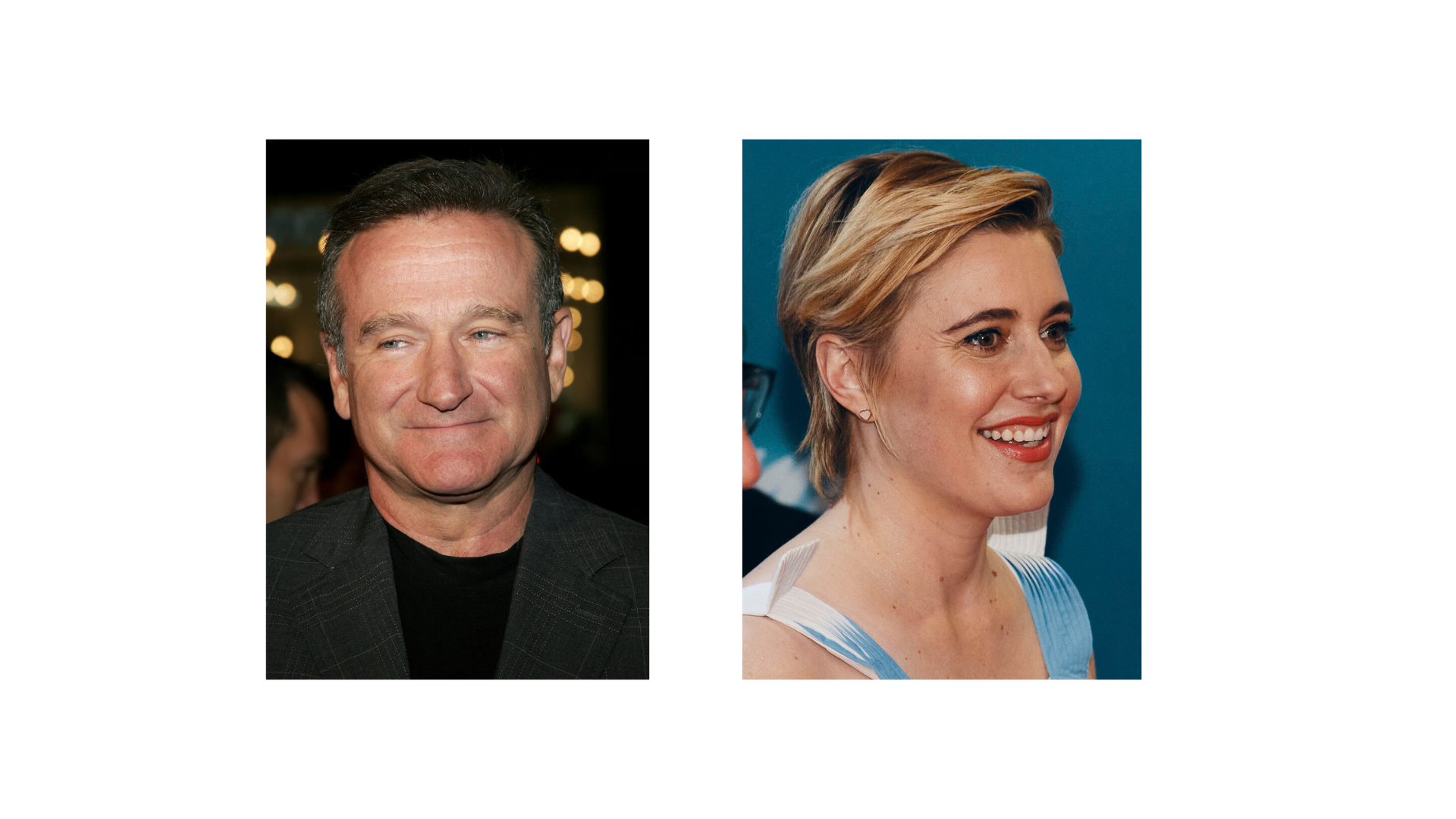
Comedian and actor Robin Williams, who gave the world both laughter and Good Will Hunting, once said, “Comedy is acting out optimism”19. Maybe that’s why even the darkest films sneak in jokes; they remind us of we’re still in on it.
- Dystopian-film output during recessions: + 240 %.
- Average color-saturation drop in “depression scenes”: 40 % below baseline.
- Gen Z viewers who sought therapy after a movie or show “hit too hard”: ≈ 20 %.
- Average number of multiverses visited before resolving trauma: 3.6, peer-reviewed by A2420.
Director Greta Gerwig, who turned Barbie into a philosophical crisis in pink, said, “People underestimate how much meaning pink can carry”21. Apparently, emotional collapse now comes in pastels.
4. The Industry Effect: When the News Becomes the Movie (and the Movie Becomes the Diagnosis)
Hollywood isn’t just reporting events. It is one. The 2023 writers’ and actors’ strikes fought over AI, fair pay, and creative sanity—the same issues Don’t Look Up and Black Mirror had already parodied22. Meanwhile, studios kept releasing films about burnout starring actors who were literally on strike.
The “mental-health content economy” runs on a loop: the more people talk about stress, the more shows dramatize it, the more audiences diagnose themselves in the comments23. Even Oscar campaigns now sell “authentic portrayals of trauma” as marketing. Sadness is the new prestige.
Silent-film legend Charlie Chaplin, who turned slapstick into philosophy, once said, “Life is a tragedy when seen in close-up, but a comedy in long-shot”24. Hollywood just sells both angles, preferably in IMAX.
- Days the 2023 writers’ strike lasted: 148.
- Cost to California’s economy: ≈ $ 6 billion.
- Prestige films in 2023 using “mental health” in promotion: > 40 %.
- Those offering crisis-line info after credits: < 10 %25.
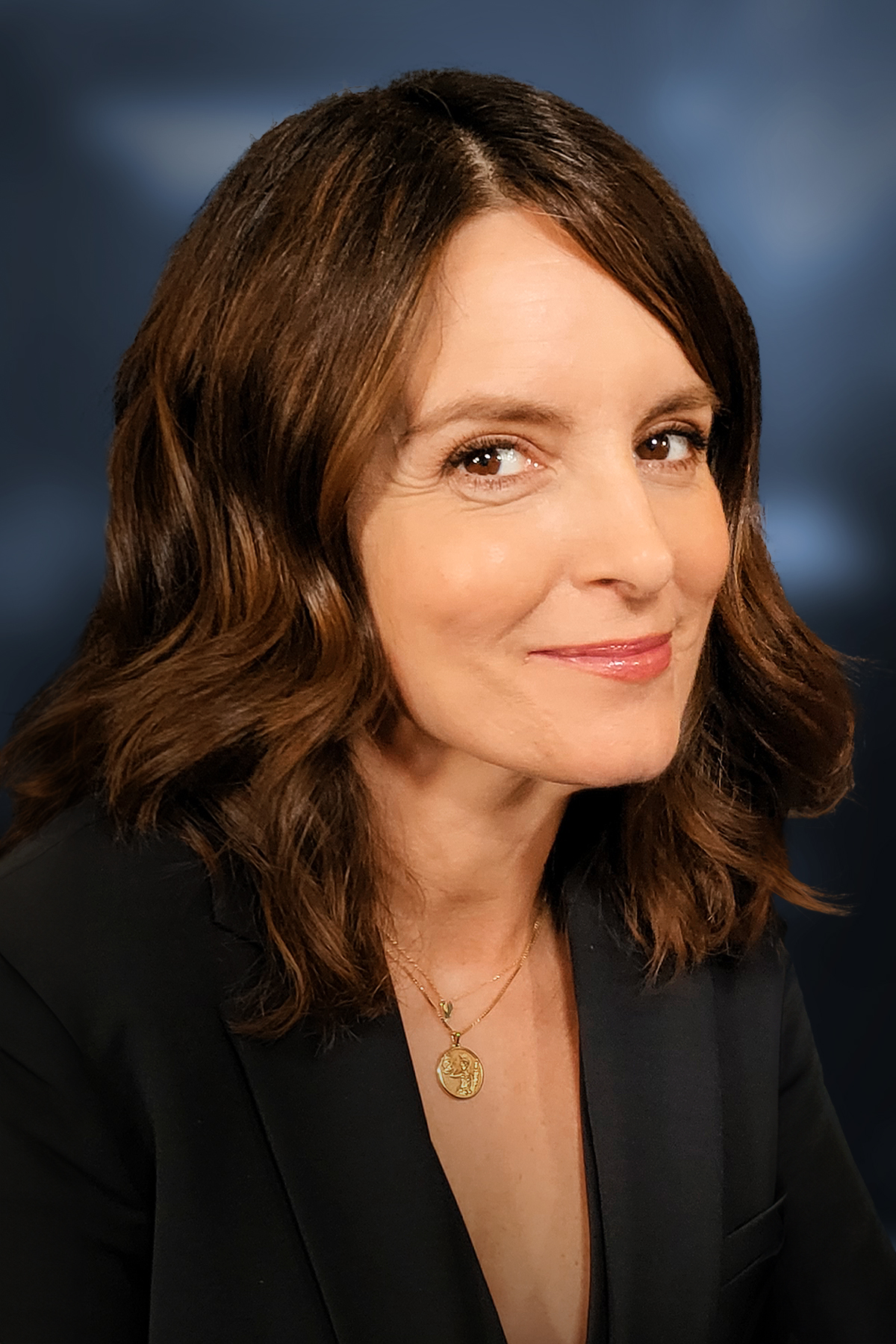
Comedian and writer Tina Fey, creator of 30 Rock, summed it up perfectly: “You can’t be that kid standing at the top of the waterslide, overthinking it. You have to go down the chute”26. Which is basically every film pitch ever.
5. The Bottom Line: Popcorn and Pathology
Hollywood and current events are basically in couples therapy. The world spirals: Hollywood films it, adds strings, and calls it art. When disasters hit, we get war dramas. When the culture feels depressed, we get beautiful people having existential crises in soft light.
Mental illness isn’t just a subplot anymore. It’s a genre. And maybe that’s the point. The movies don’t create our collective neuroses; they just give them cinematography.
Director Quentin Tarantino (Pulp Fiction, Kill Bill) once said, “If you love movies enough, you can make a good one”27.
Comedian Joan Rivers, queen of the savage one-liner, added, “If you love drama enough, you can make a living off someone else’s breakdown”28.
- Time between a crisis and its movie adaptation: 3–5 years, or however long it takes to cast Timothée Chalamet.
- Chance your favorite comfort film features a nervous breakdown with good lighting: nearly 100 %.
- Probability this essay becomes a Netflix doc narrated by Ryan Gosling: high.
References
- The Lumière Brothers, Arrival of a Train at La Ciotat Station, 1895. ↩
- Thomas Edison Company, Vitascope Actualities, Library of Congress Film Archive, 1896. ↩
- Richard Abel, The Cine Goes to Town: French Cinema 1896–1914, University of California Press, 1994. ↩
- Federico Fellini, quoted in The Atlantic, July 1987. ↩
- Kathryn Bigelow, The Hurt Locker, Voltage Pictures, 2008. ↩
- Adam McKay, The Big Short, Paramount Pictures, 2015. ↩
- Sam Levinson, Euphoria, HBO, 2019. ↩
- Meryl Streep, interview in The New York Times, Feb 4, 2002. ↩
- Statista, “Mental Health Hashtags on TikTok,” 2024. ↩
- George Carlin, Life Is Worth Losing, HBO Special, 2005. ↩
- The China Syndrome, Columbia Pictures, 1979; U.S. NRC, Three Mile Island Report, 1979. ↩
- American Psychiatric Association Press Release, “Understanding Joker,” Oct 2019. ↩
- Netflix Analytics, “Mental Health and Streaming,” 2021. ↩
- Department of Defense Entertainment Liaison Office, Film Cooperation Agreements Report, 2018. ↩
- Stanley Kubrick, interview with The Guardian, May 1963. ↩
- Google Trends, “Psychiatric Self-Diagnosis Searches,” 2019–2021. ↩
- Jon Stewart, The Daily Show, Comedy Central, 2004. ↩
- Daniels (Kwan and Scheinert), Everything Everywhere All at Once, A24, 2022. ↩
- Robin Williams, interview in The Guardian, Dec 2002. ↩
- A24 Studios, “The Multiverse Effect,” 2023. ↩
- Greta Gerwig, interview in Variety, July 2023. ↩
- SAG-AFTRA and WGA Strike Reports, 2023. ↩
- Pew Research Center, “Media, Mental Health, and Self-Diagnosis Online,” 2022. ↩
- Charlie Chaplin, My Autobiography, Simon & Schuster, 1964. ↩
- Variety, “The Mental Health Marketing Boom,” 2023. ↩
- Tina Fey, Bossypants, Reagan Arthur Books, 2011. ↩
- Quentin Tarantino, interview in Empire Magazine, Oct 2003. ↩
- Joan Rivers, Still Talking, Random House, 1991. ↩