



Before a full-blown illness moves in and starts eating all your snacks, your brain and body usually give you some warning signs. They’re not dramatic. No violins. No flashing lights. Just little red flags waving while you say, “I’m fine, just tired.” Spoiler: you’re probably not fine.
Let’s talk about those warnings: the mental ones, the physical ones, and the ones that overlap.
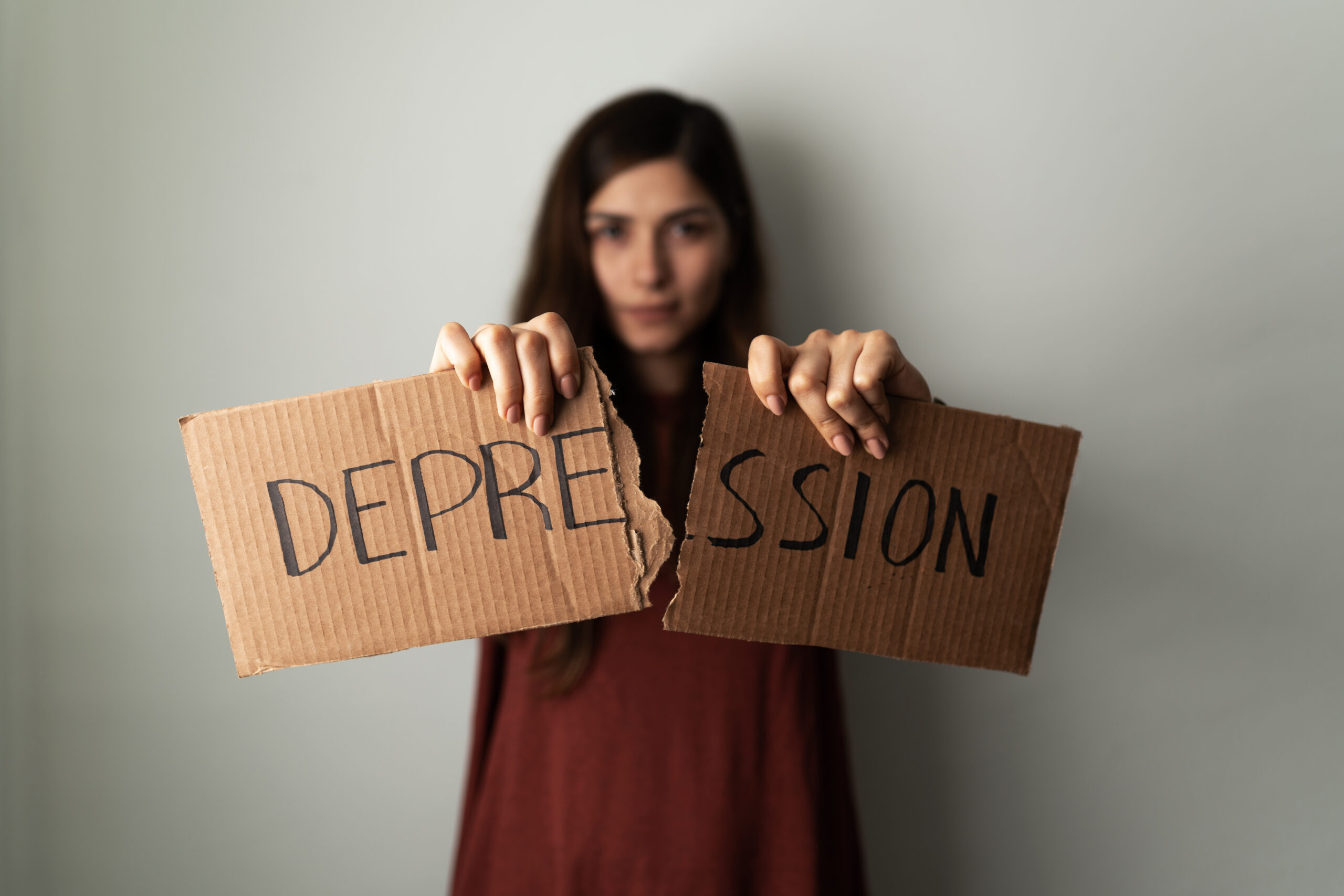
Depression
You’re exhausted but can’t sleep, or sleeping but still exhausted. You rewatch the same show because new things require effort. You lose interest and your brain whispers, “What’s the point?” like a lyric by the famously gothic and nihilist band, The Cure.
Ignore that long enough and you may wander into Major Depressive Disorder, which is your mind switching to grayscale.
Andrew Solomon, writer and psychologist who authored The Noonday Demon: An Atlas of Depression, called depression “the opposite of vitality.”1
Bo Burnham, comedian and existential songsmith, asked, “You ever feel so sad you just sit still for four hours watching YouTube videos about bread?”1
Interesting numbers:
- 1 in 5 adults will experience a major depressive episode.2
- People with depression have up to 2.5 times higher risk of developing heart disease.2
- Elevated inflammation markers (CRP, IL-6) appear years before cardiac symptoms in many depressed patients.3
Sometimes depression isn’t just emotional. It’s cardiology’s opening act. Inflammation, low oxygen, and stress hormones hijack your neurotransmitters long before chest pain shows up. “Broken-hearted” can be literal. Same with “butterflies” in one’s stomach. Why do kids always have a stomach ache or abdominal problems seemingly as a way to get out of going to school? Not the big toe!
Anxiety
It begins with tiny worries and turns into a 24-hour internal podcast. You lie awake thinking about texts you sent too fast and things you said in 7th grade. That’s Generalized Anxiety Disorder, or as John Mulaney, stand-up comedian and human caffeine molecule, once said: “I’ll keep all my emotions right here, and then one day I’ll die.”4
Fun facts:
- 1 in 3 people will meet criteria for an anxiety disorder in their lifetime.5
- Anxiety disorders are linked to twice the normal rate of thyroid dysfunction.6
- Chronic anxiety alters heart rate variability, a key predictor of cardiac disease.7
Sometimes anxiety isn’t psychological. It’s thyroid drama. A revved-up thyroid mimics anxiety. A sluggish one mimics depression. Before blaming your childhood, check your neck. This is one major reason why everyone who came to the psychiatric section of the Children’s Hospital in Colorado gets routinely screened for both thyroid dysfunction and blood glucose levels.

Bipolar Disorder
First act: unstoppable energy, three hours of sleep, eight new hobbies, and the confidence of a startup founder with no plan. You are terrific at starting things, you have incredible ideas and you just can’t stop creating.
Second act: the crash. That’s bipolar disorder (used to be called Manic Depression), your brain’s personal soap opera.
Demi Lovato, singer and mental-health advocate who lives with bipolar disorder, said, “Being bipolar doesn’t make you broken. It makes you unique.”8
Quick numbers:
- Bipolar disorder affects about 2.8% of adults worldwide.9
- The average delay between first symptoms and diagnosis: nearly 6 years.9
- Sleep disruption often appears months before a manic episode.9
Finish one Etsy shop before starting five.

Psychosis
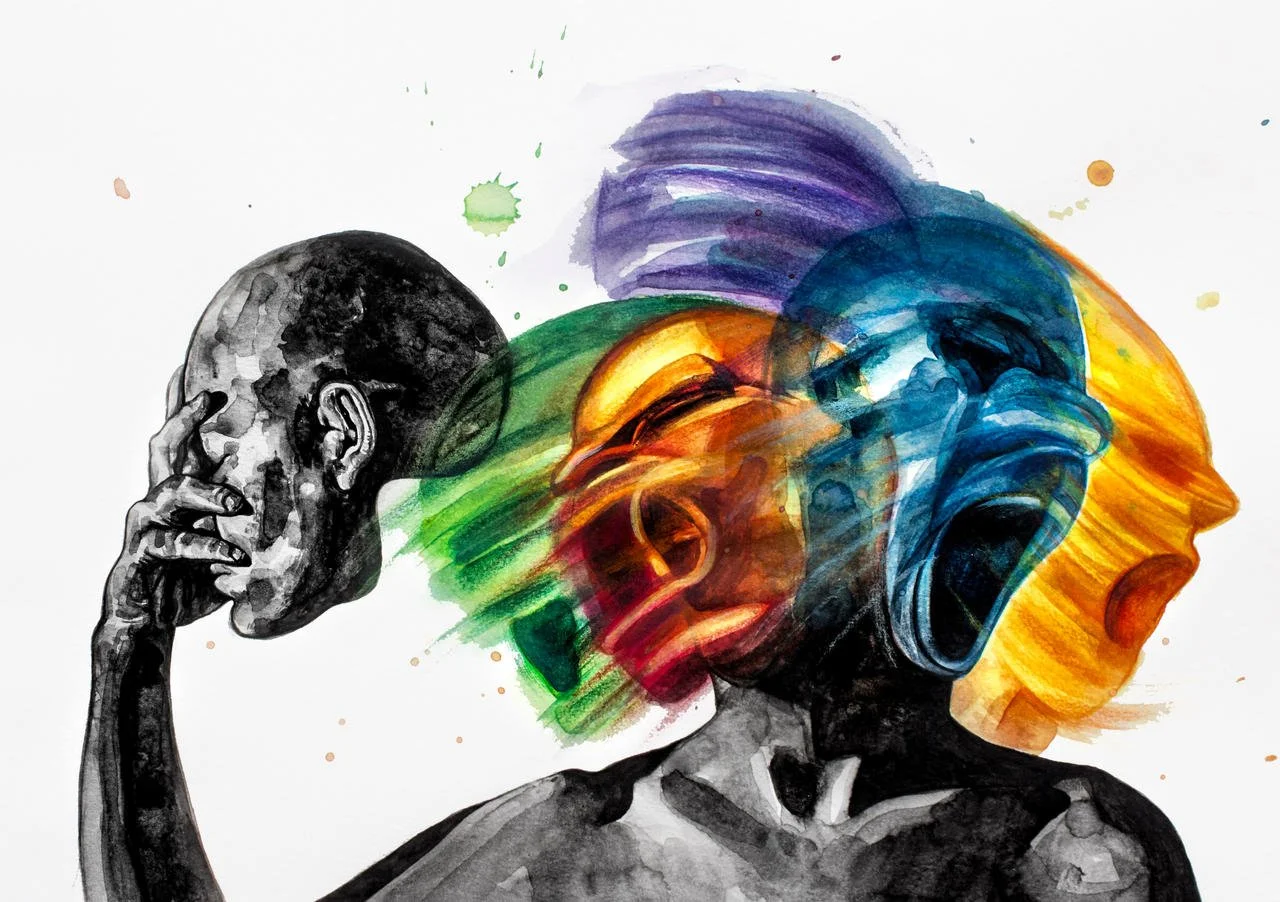
Early psychosis creeps in quietly: hearing your name, feeling watched, feeling seen, having immovable thoughts. The prodromal phase is like bad Wi-Fi for reality.
Elyn Saks, law professor and psychologist at the University of Southern California who lives with schizophrenia, wrote, “The humanity we share is more important than the mental illness we may not.”10
By the numbers:
- 1% of the population will experience psychosis in their lifetime.11
- Early treatment can reduce relapse risk by 50%.11
- Average delay before seeking help: nearly 18 months.11
Weird thoughts don’t make you strange and broken. They make you human with glitching neurons.
OCD
You check the stove, the door, your entire existence. Intrusive thoughts loop like a cursed “very important” playlist.
Maria Bamford, comedian and actor known for her fearless stand-up about OCD and bipolar disorder, describes it as “a million tabs open and all of them playing the same song.”12
Quick facts:
- About 2% of adults have OCD.13
- Intrusive thoughts are common in 80% of people; OCD happens when the brain refuses to move on.13
- OCD has its own category, no longer a kind of anxiety.
- Dopamine and serotonin misfires can make the brain hit “refresh” forever.13
Eating Disorders
“I’m just eating clean” turns into calorie calculus. Your gut—which makes most of your serotonin—revolts, your mood tanks, and your brain mistakes control for safety.
Julia Child, the legendary chef who made butter a love language, once said, “People who love to eat are always the best people.”14
Key points:
- 90-95% of serotonin is produced in the gut.15
- Eating disorders have the highest mortality rate of any psychiatric illness.16
- Restriction or binge cycles alter the microbiome, which then alters mood.15
Be one of Julia’s people, not the one logging almonds, which means: Live fully. Eat with joy. Don’t mistake anxiety for discipline.

Substance Use
“Just to relax” becomes “just to function.” When your coping skills come in bottles, your brain’s sending up flares.
Anne Lamott, author and survivor of addiction, said, “Drinking feels like a haircut you gave yourself. It looks good for ten minutes.”17
Highlights:
- About 1 in 8 adults meet criteria for alcohol use disorder.18
- Each episode of binge drinking increases next-day anxiety by up to 30%.18
- Alcohol alters dopamine signaling and deepens depression.18

Personality Disorders
If every relationship feels like The Bachelor: Therapy Edition and your emotions shift faster than Colorado weather, your personality may be begging for a break.
Marsha Linehan, psychologist and creator of Dialectical Behavior Therapy, said, “You’re not bad. You just need better skills.”19 She also said, “It’s just good therapy.”
Numbers worth knowing:
- 9% of adults meet criteria for a personality disorder.19
- Emotional dysregulation often starts in adolescence but peaks under chronic stress.19
Skills. Not another situationship.

Physical Illnesses That Start in Disguise
Sometimes the earliest sign of a physical illness looks exactly like a mental one. Examples:
- Heart disease begins with fatigue or depression.20
- Thyroid disorders pretend to be anxiety or sadness.20
- Diabetes first shows up as brain fog or irritability.20
- Autoimmune diseases cause exhaustion long before pain.20
- Cancer triggers apathy months before diagnosis.20
- Gut disorders quietly wreck serotonin before your stomach complains.21
- Sleep apnea fakes depression so well it deserves an Oscar.21
Clinician’s Note: When the Mind Knows First
Your brain and body share the same chemistry set: hormones, immune messengers, neurotransmitters, and oxygen. When the body starts misfiring, the brain feels it first.
That’s why depression can herald heart disease, anxiety can reveal thyroid trouble, and apathy can precede Parkinson’s. Cytokines, cortisol, glucose, and oxygen mess with mood circuits long before your labs catch up.
When someone says, “I just don’t feel like myself,” that’s not fluff. That’s data. “Your emotions and your organs use the same wiring. Sometimes your feelings notice trouble before your labs do.”
That one sentence can turn guilt into curiosity, and curiosity into prevention. Of course, this does not apply to those who have “health anxiety”, which used to be known as “hypochondria”, where every itch is a newly discovered cancer.
The Biochemistry
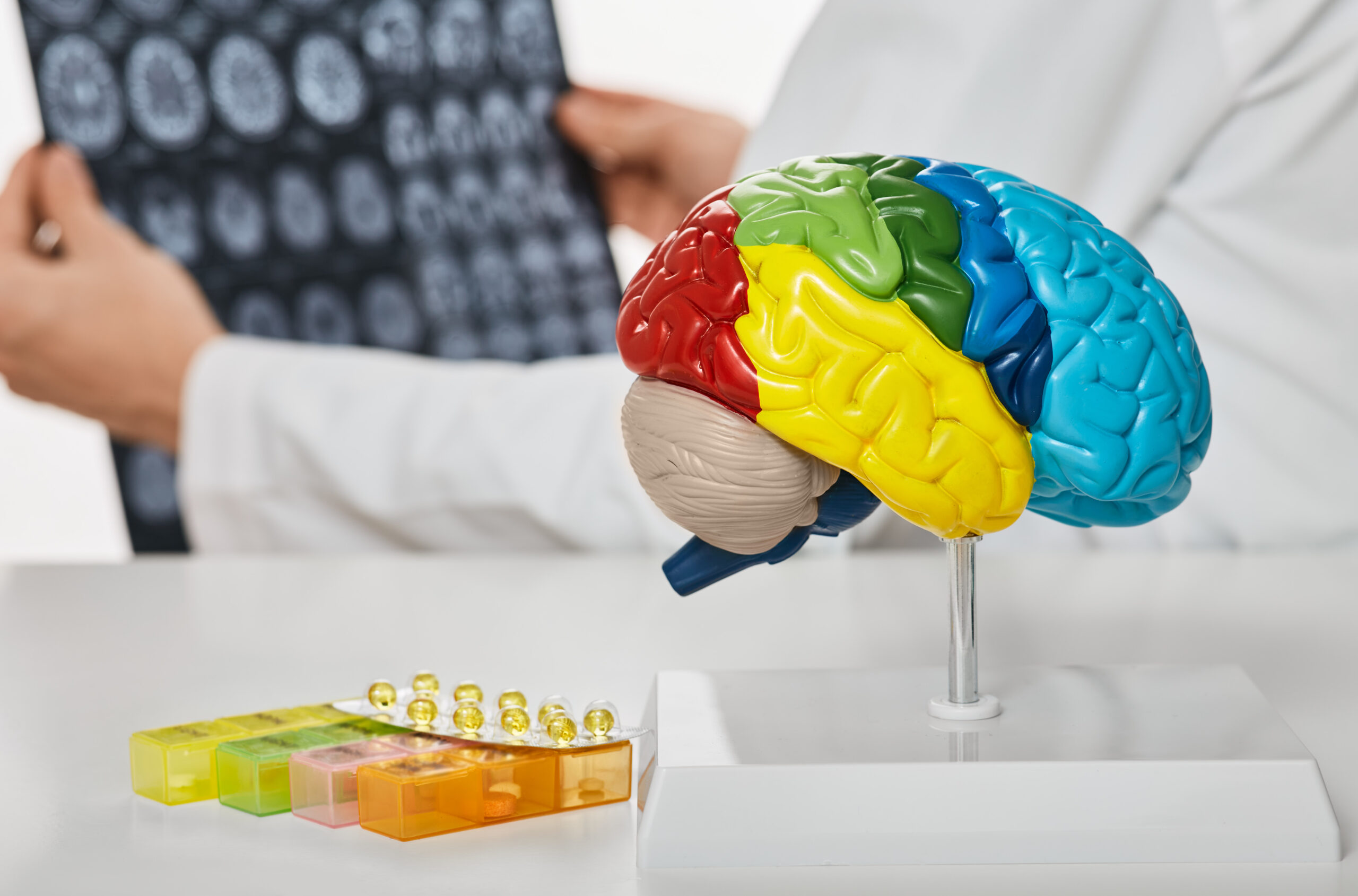
Physical illnesses sometimes start as psychiatric symptoms not because they share a “motherboard,” but because they share the same chemical gossip network.
- Inflammation: Elevated CRP and IL-6 predict both depression and future heart disease.22 Cytokines sneak into the brain, changing serotonin and dopamine signaling.
- Autonomic Chaos: Chronic stress reduces heart-rate variability, a marker of cardiac risk.23
- HPA Axis Overload: Long-term cortisol elevation wears out the immune system and wrecks glucose control.23
- Neuro-Metabolic Cross Talk: The tryptophan-kynurenine pathway links inflammation, mood, and energy.24
- Shared Genes: Depression and heart disease share dozens of risk loci.24
- The Gut-Brain Gossip Line: Your microbiome produces neuroactive chemicals like GABA and serotonin; when it’s off, mood goes off too.25
So no, it’s not “all in your head.” It’s starting in your head because that’s where your body files its first complaint.
How To Tell Which Is Which
When something feels off: your mood, energy, focus, or sleep, most people pick one of two explanations: “It’s just stress,” or “It’s something fatal.” Sometimes it’s mental. Sometimes physical. Often both.
Notice the Pattern:
- Sudden mood change? Think body.
- Gradual mood change? Think mind.
- Physical changes like weight, fatigue, or appetite shifts? Time for labs.
Ask the Big Three:
- Did it start suddenly or gradually?
- Did anything new change in my body or routine?
- Are there non-emotional clues?
If two answers are “yes,” time to check with your doctor.
Kids:
Children often express distress through the body. “My stomach hurts” may mean “I’m anxious.” Watch for lost play, appetite, or sleep. Sometimes the first test isn’t therapy. It’s a CBC (Complete Cell Count) and a thyroid panel.
Remember: Mental and physical illness love to tag-team. Depression worsens inflammation. Inflammation worsens depression. Treating one without the other is like fixing a leaky roof and ignoring the mold.

So What’s the Point?
Mental health concerns are your body’s teaser trailer. Physical symptoms often join the cast. Ignore them and you might end up starring in something with a sad soundtrack and no snacks.
Sometimes “I’m tired” is burnout. Sometimes it’s your heart rehearsing for drama. Sometimes “I’m anxious” is trauma. Sometimes it’s your thyroid auditioning for Best Supporting Gland.
Ali Wong, comedian and professional truth-teller, said, “You can’t heal if you keep pretending you’re fine.”25
Go to therapy and your doctor. It’s cheaper than emotional chaos and coronary bypass.
Full version and mental-health resources at BoulderPsychiatryAssociates.com
References
- Solomon, Andrew. The Noonday Demon: An Atlas of Depression. Scribner, 2001; Burnham, Bo. Inside. Netflix, 2021. ↩
- National Institute of Mental Health. “Major Depression.” NIMH Data, 2024; Whooley, M. A., et al. “Depression and Cardiovascular Disease.” JAMA, 300(18), 2008, 2379–88. ↩
- Wium-Andersen, M. K., et al. “Inflammatory Biomarkers and Depression.” JAMA Psychiatry, 70(2), 2013, 176–84. ↩
- Mulaney, John. New in Town. Netflix, 2012. ↩
- Kessler, R. C., et al. “Lifetime Prevalence and Age-of-Onset Distributions of DSM-IV Disorders.” Arch. Gen. Psychiatry, 62, 2005, 593–602. ↩
- Carta, M. G., et al. “The Link Between Thyroid Autoimmunity and Anxiety Disorders.” J. Endocrinol. Invest., 27, 2004, 115–19. ↩
- Kemp, A. H., et al. “Depression, Heart Rate Variability, and Cardiovascular Disease.” Biol. Psychiatry, 67, 2010, 1067–74. ↩
- Lovato, Demi. Simply Complicated. YouTube Documentary, 2017. ↩
- Merikangas, K. R., et al. “Bipolar Spectrum Disorder.” Arch. Gen. Psychiatry, 64, 2007, 543–52; Baldessarini, R. J., et al. J. Affect. Disord., 150, 2013, 934–44. ↩
- Saks, Elyn. The Center Cannot Hold: My Journey Through Madness. Hyperion, 2007. ↩
- McGrath, J. J., et al. “Schizophrenia: Worldwide Prevalence and Burden.” World Psychiatry, 17, 2018, 235–45. ↩
- Bamford, Maria. The Special Special Special!. Chill.com, 2012. ↩
- Ruscio, A. M., et al. “Epidemiology of OCD.” Mol. Psychiatry, 15, 2010, 53–63; Pittenger, C., et al. “Pathophysiology of OCD.” Annu. Rev. Neurosci., 29, 2006, 467–92. ↩
- Child, Julia. My Life in France. Knopf, 2006. ↩
- Yano, J. M., et al. “Gut Microbiota Regulate Serotonin.” Cell, 161, 2015, 264–76. ↩
- Arcelus, J., et al. “Mortality in Anorexia Nervosa.” Arch. Gen. Psychiatry, 68, 2011, 724–31. ↩
- Lamott, Anne. Traveling Mercies. Anchor, 1999. ↩
- Grant, B. F., et al. “Epidemiology of Alcohol Use Disorder.” JAMA Psychiatry, 72, 2015, 757–66; Kushner, M. G., et al. “Alcohol Use and Anxiety.” Am. J. Psychiatry, 157, 2000, 1002–08. ↩
- Linehan, Marsha M. Cognitive-Behavioral Treatment of Borderline Personality Disorder. Guilford Press, 1993; Lenzenweger, M. F., et al. Arch. Gen. Psychiatry, 64, 2007, 513–20. ↩
- Joynt, K. E., et al. “Depression and Cardiovascular Disease.” Nat. Rev. Cardiol., 1, 2004, 76–85; Bauer, M., et al. “Thyroid Hormones and Depression.” J. Neuroendocrinol., 20, 2008, 1101–08; Lustman, P. J., et al. “Depression and Diabetes.” Am. J. Psychiatry, 144, 1987, 531–36. ↩
- Foster, J. A., et al. “Gut–Brain Axis: Microbe to Mood.” Nat. Rev. Gastroenterol. Hepatol., 10, 2013, 701–12. ↩
- Dantzer, R., et al. “Inflammation and Depression.” Nat. Rev. Neurosci., 9, 2008, 46–56. ↩
- McEwen, B. S. “Protective and Damaging Effects of Stress Mediators.” N. Engl. J. Med., 338, 1998, 171–79. ↩
- O’Connell, K. S., et al. “Kynurenine Pathway in Psychiatry and Cardiology.” Front. Psychiatry, 14, 2023, 1182–96. ↩
- Cryan, J. F., and Dinan, T. G. “Mind–Altered Microbes: The Gut–Brain Connection.” Nat. Rev. Neurosci., 13, 2012, 701–12; Wong, Ali. Dear Girls. Random House, 2019. ↩
